
Can you use your bug eyes
to identify invasive insects?
Invasive species do not have the same predators, diseases, or environmental factors that may typically limit their populations, meaning that they have the potential to become unmanagable. Some pests negatively affect our crops, while others directly harm people through biting or stinging.
Historically, one of the most significant invasive species in the Southeast United States was the Boll Weevil, which threatened to take out entire farms of cotton!
Today, the Red Imported Fire Ant is one of the biggest problems for the average person, as these ant beds can grow very large and the Fire Ant’s stings can cause life-threatening allergic reactions in some.
Why is it important to recognize invasives?
An invasive species is an organism that establishes in an area that it is not originally from spreading into a new environment and causes harm to the ecosystem, the economy, or human health.
What is an invasive species?
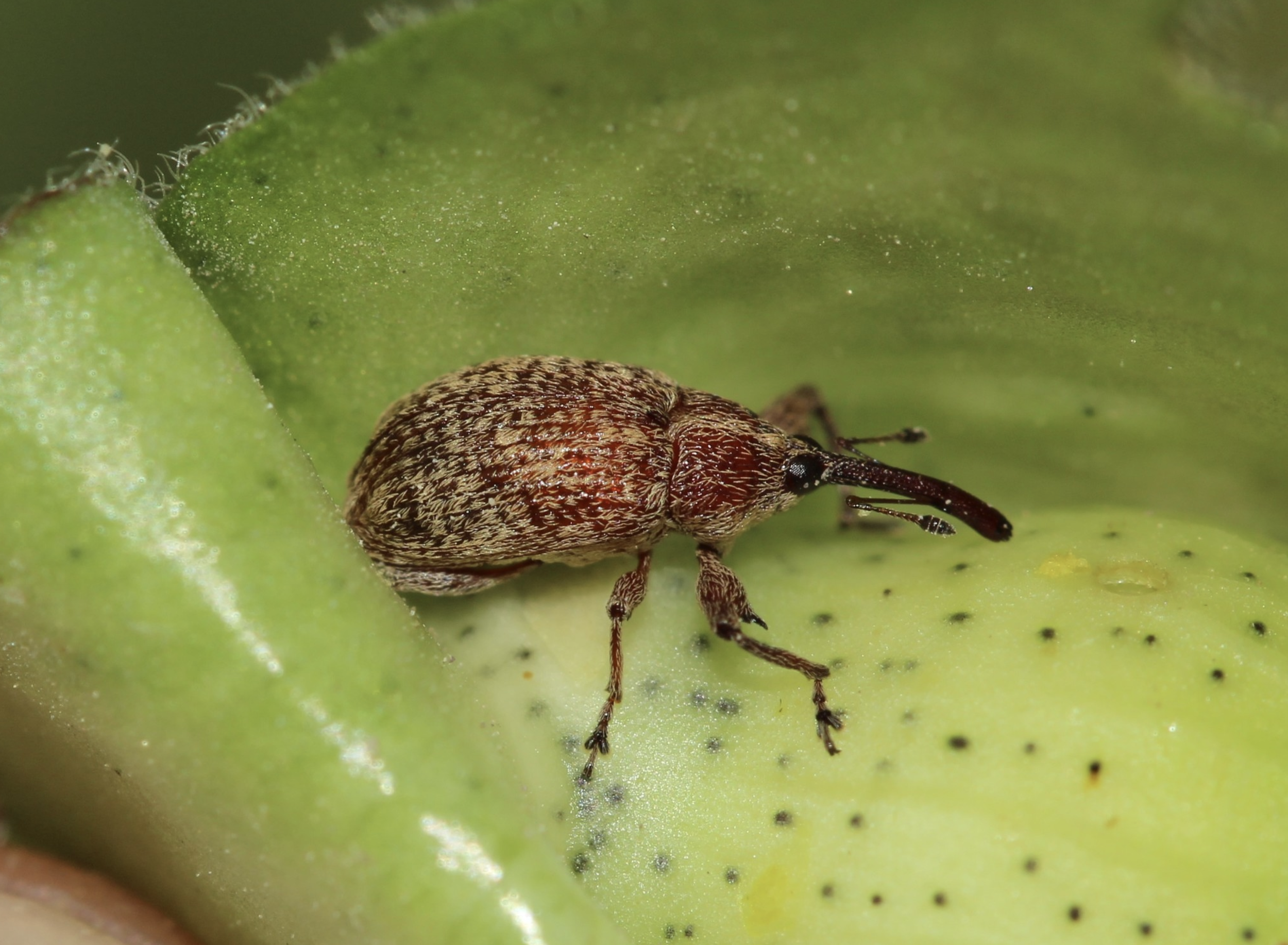
Boll Weevil Anthonomus grandis
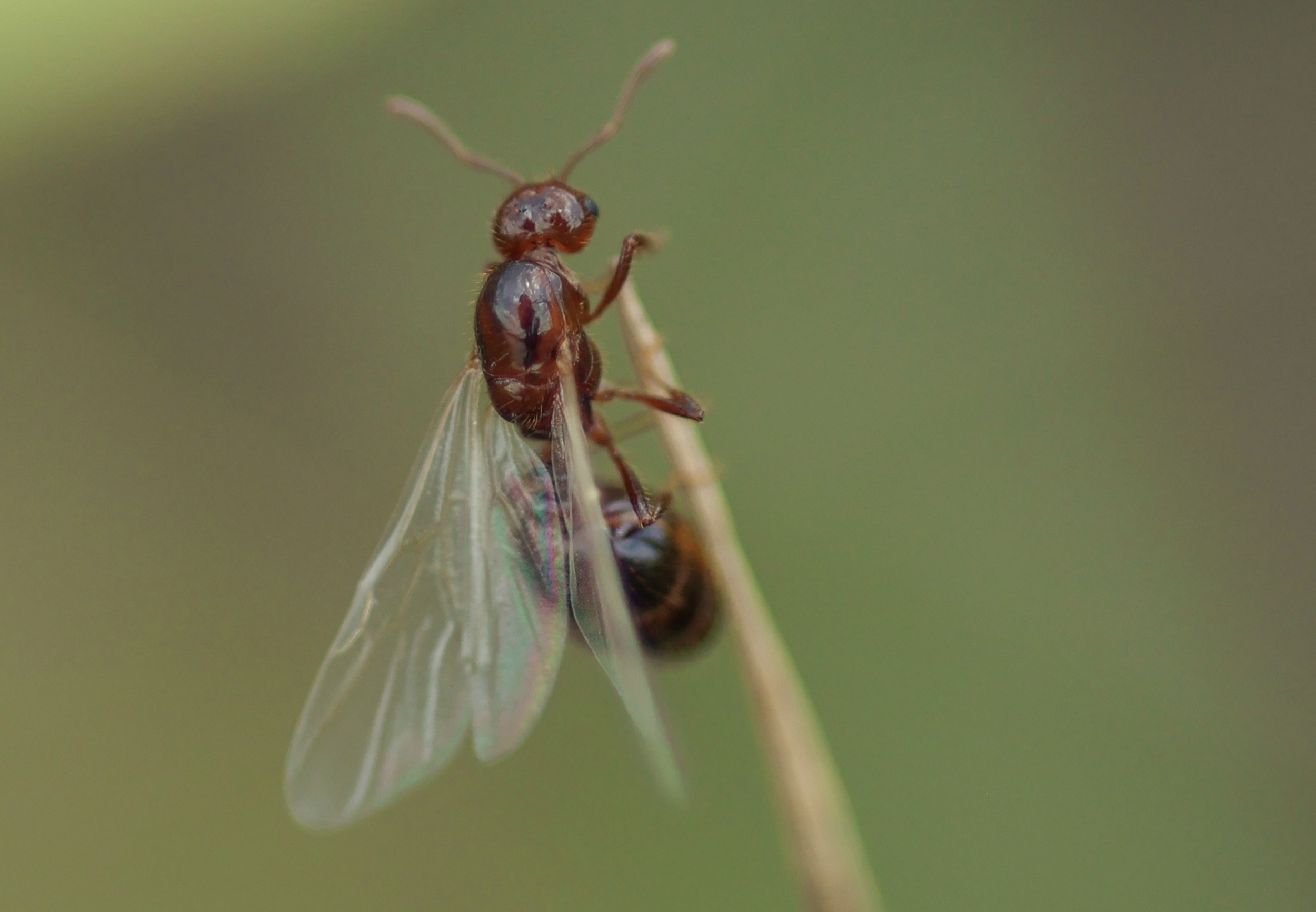
Red Imported Fire Ant Solenopsis invicta
The Next Big Threat: The Spotted Lanternfly
The spotted lanternfly is an invasive planthopper that feeds on a wide range of plants, including grapevines, hops, stone fruit trees, and hardwood trees. When the spotted lanternfly feeds, it excretes a sticky, sugary fluid (called honeydew) that promotes sooty mold growth, which can further damage plants.
The egg masses are about 1.5 inches long and look like a smear of gray or brown mud or putty. Newly laid egg masses resemble wet, gray putty before turning dull and brown. These eggs can be found on a wide variety of outdoor surfaces, including trees, rocks, firewood, vehicles, lawn furniture, and more.
The Spotted Lanternfly has several distinct looks throughout its life cycle, and it’s important to be able to recognize all of them!
The Spotted Lanternfly nymphs start off as small, black and white spotted bugs that only crawl on trees and do not travel far. Their later instars (or the older nymphs that are closer to becoming winged adults) are bright red with black and white spots, and are closer in size to what we expect from the adults (which is about an inch to an inch and a half).While the Spotted Lanternfly has not been found in Mississippi as of yet, that doesn’t mean that we can let down our guard!
As a state with a great deal of imports and exports, we need to stay vigilant about when and where these bugs are spotted! If you think that you have seen a Spotted Lanternfly or signs of their presence, contact us!
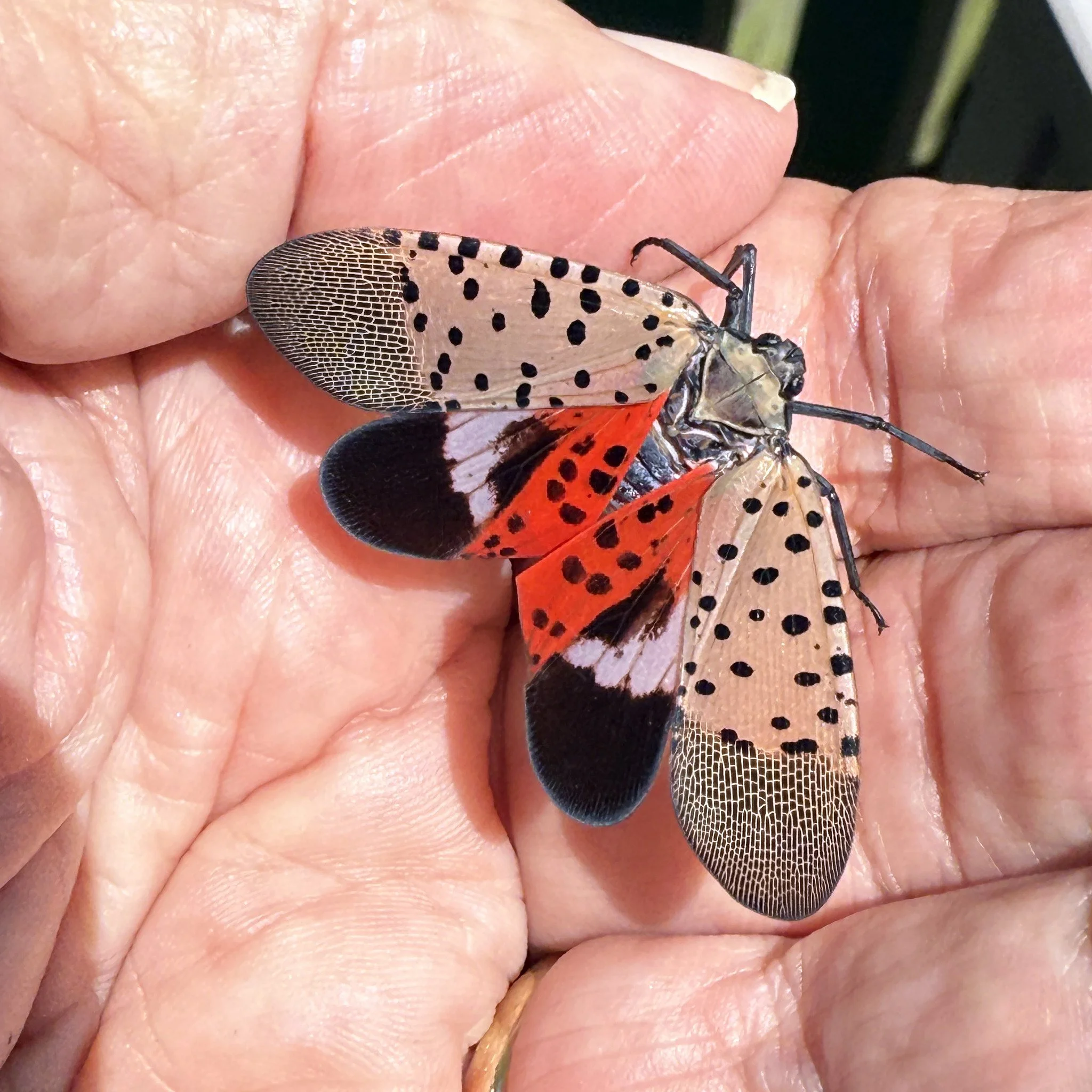
The Spotted Lanternfly Lycorma delicatula

The Spotted Lanternfly Lycorma delicatula